
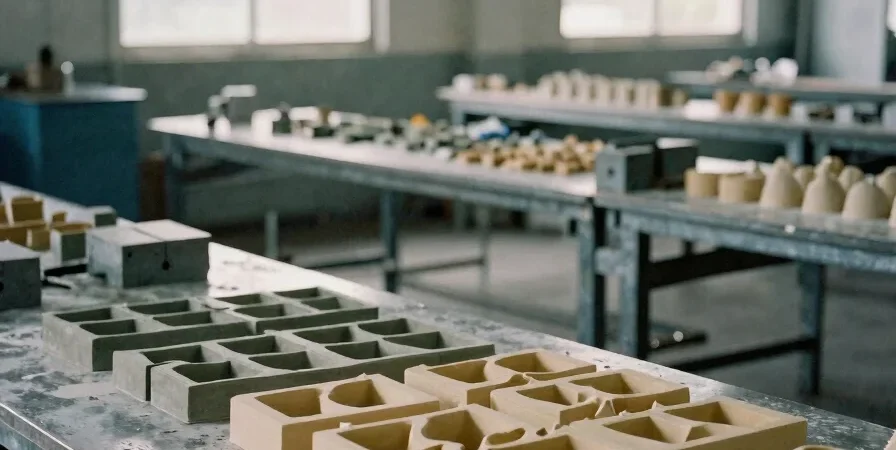
A complete RFQ helps a foundry quote the correct process instead of sending a broad estimate. It also gives both sides a clearer basis for reviewing quality, tooling and delivery.
Technical information
- 3D model and 2D drawing
- Material standard and grade
- Critical dimensions and tolerances
- Surface finish and machining requirements
- Heat treatment and inspection standards
Commercial information
- Prototype quantity
- Expected annual demand
- Batch size and delivery frequency
- Target packaging and shipping destination
- Whether tooling should be quoted separately
Application information
Explain where the part is used and identify any pressure, temperature, wear, corrosion or safety requirements. Application information helps the foundry review risks that may not be visible in the geometry alone.
Questions that improve the quotation
Ask which features drive cost, which dimensions require machining, what inspection records are available and whether a first-article approval is recommended. These questions make the quotation easier to compare and reduce surprises after order placement.
Hongjin Metal can review drawings and production requirements for custom investment castings, industrial components and OEM parts.