
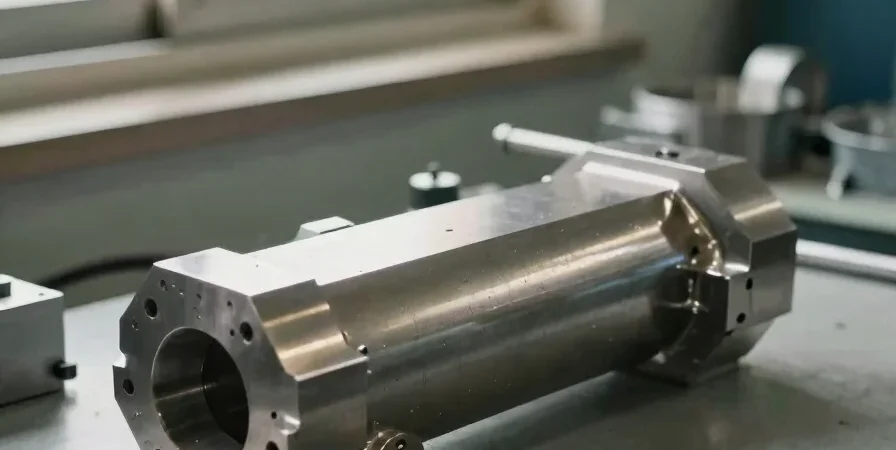
Investment casting can reproduce complex shapes and fine details, but a drawing still needs to respect metal flow, solidification and shell strength. Design decisions made before tooling can prevent many production problems later.
Keep wall thickness as uniform as possible
Large changes in section thickness can create uneven cooling and increase the risk of shrinkage or distortion. Smooth transitions and well-placed fillets are usually more reliable than abrupt steps.
Use practical radii and transitions
Sharp internal corners can concentrate stress in both the wax pattern and the final casting. A suitable radius improves filling, shell integrity and finishing access.
Define holes and narrow slots clearly
Small holes and slots should be reviewed against the material, depth and production quantity. Some features are better cast, while others are more economical to machine after casting.
Separate casting and machining requirements
Mark critical dimensions, datums, surface finish and machining allowances on the drawing. This helps the foundry determine the near-net shape and prevents unnecessary material or finishing work.
Send the right information with the drawing
A 3D model, 2D drawing, material grade, annual quantity and critical inspection points give the engineering team enough information to evaluate manufacturability before tooling begins.
Early design review is one of the simplest ways to improve yield, lead-time stability and total project cost.